Ceramic Coating for Wrapped Cars: Is It Worth It After a Vinyl Wrap?

A vinyl wrap is a major visual upgrade. It can change the color, finish, and personality of a vehicle without repainting it. But after the wrap is installed, many owners ask another question: should I add ceramic coating on top of the wrap?
The answer depends on how you use the vehicle, where it is parked, how often you clean it, and how long you want the wrap to look fresh. Ceramic coating is not required for every wrap, but it can be a smart add-on for certain vehicles.
For Houston-area drivers, ceramic coating can be especially useful because wrapped vehicles deal with heat, humidity, UV exposure, rain, dust, tree sap, bird droppings, and road grime. A ceramic coating does not make a wrap maintenance-free, but it can make cleaning easier and help protect the surface from everyday contamination.
What Is Ceramic Coating?
Ceramic coating is a liquid protective coating applied to the exterior surface of a vehicle. When installed correctly, it bonds to the surface and creates a slicker, more resistant layer.
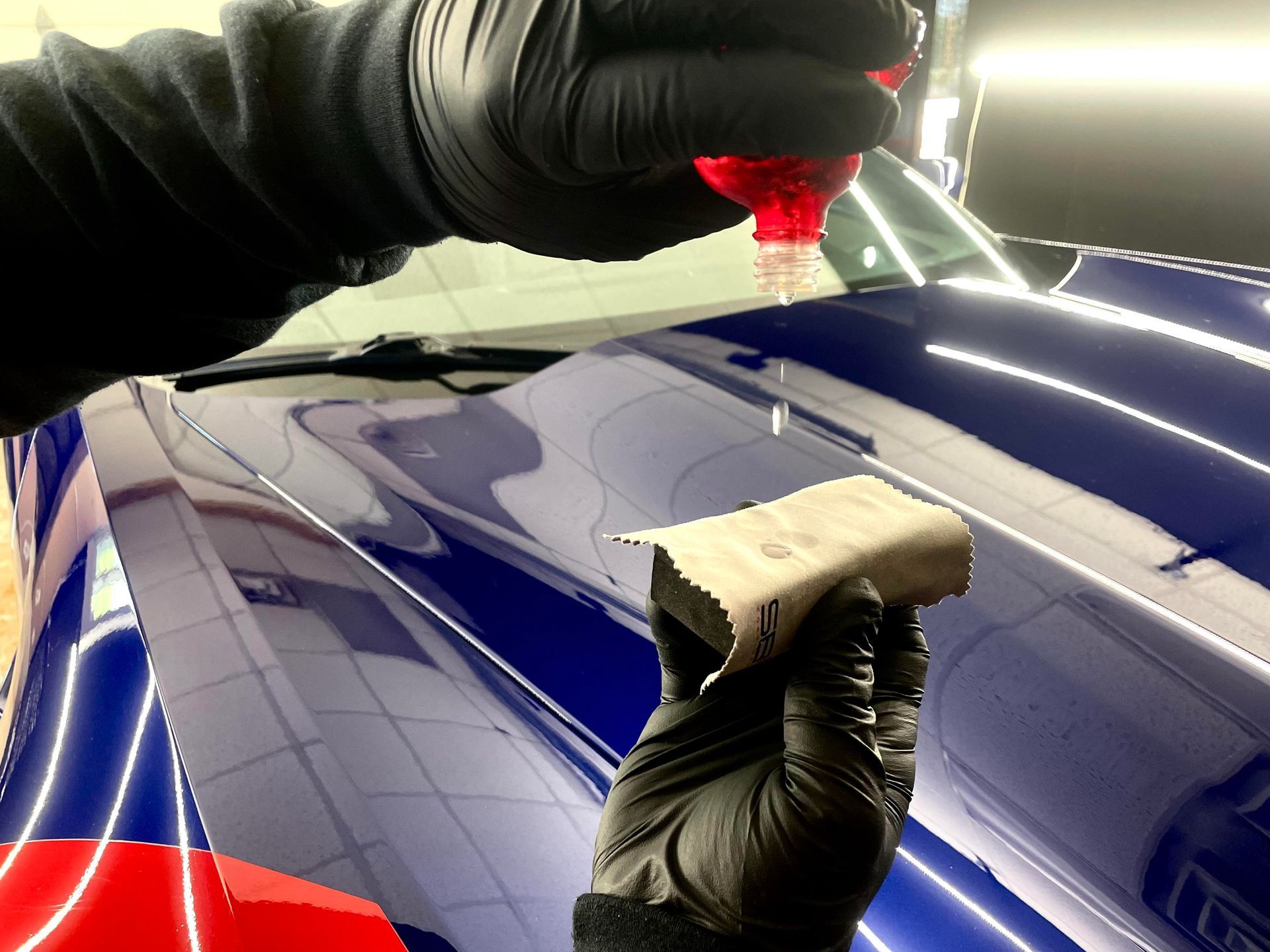
On painted cars, ceramic coating is often used to improve gloss, water behavior, and cleaning ease. On wrapped vehicles, the goal is similar, but the coating must be compatible with vinyl film. A wrap-safe ceramic coating can help reduce dirt buildup, make washing easier, and add protection against certain contaminants.
It is important to understand what ceramic coating does and does not do. It does not make the vehicle scratch-proof. It does not stop rock chips like paint protection film. It does not replace washing. It is a protective layer that supports easier maintenance.
Why Wrap Owners Consider Ceramic Coating
The biggest reason wrap owners choose ceramic coating is easier cleaning.
Wrapped vehicles can collect dust, pollen, water spots, bug splatter, and road film. If the vehicle is parked outside or driven daily, buildup can happen quickly. Ceramic coating creates a slicker surface, which can make dirt less likely to cling as strongly.
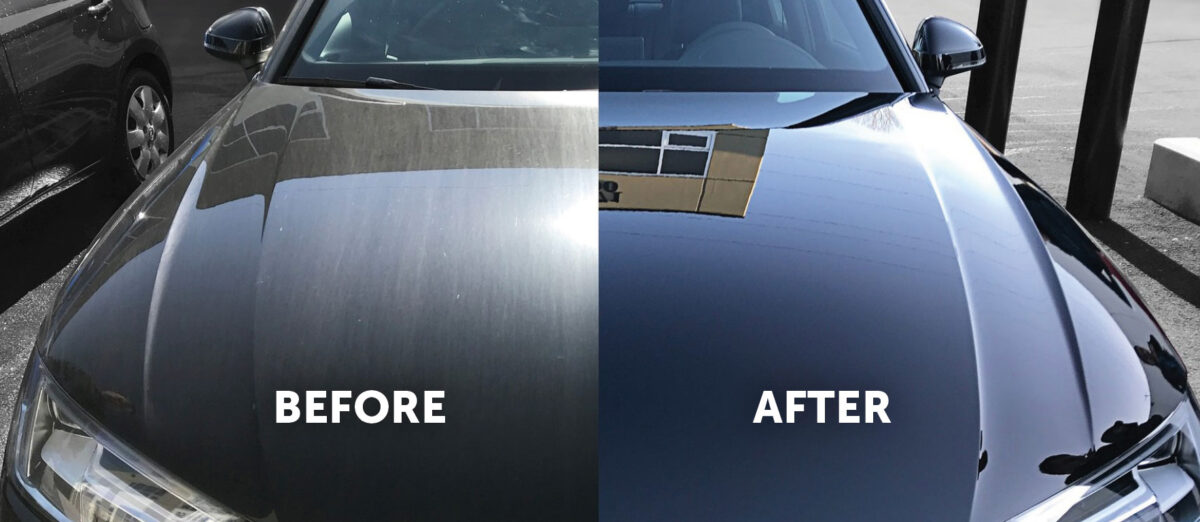
Another reason is appearance. Gloss wraps may look deeper and cleaner with coating. Satin wraps may look smoother when the right product is used. Matte wraps require special caution, but there are coatings made for matte or low-sheen finishes.
Ceramic coating can also help protect against some environmental contaminants. Bird droppings, sap, and bug splatter should still be removed quickly, but a coating can give the surface an added layer between the contaminant and the wrap.
Ceramic Coating Does Not Replace Proper Washing
Some people think ceramic coating means they no longer need to wash the vehicle. That is not true.
A coated wrap still needs gentle cleaning. Dirt should not be left on the surface for long periods. Bird droppings and fuel spills should still be cleaned quickly. The vehicle should still be hand washed with safe products.
3M’s wrap care guidance recommends gentle cleaning with a non-abrasive detergent and a soft cloth or sponge after rinsing away dirt and grit. That same gentle mindset applies even if a ceramic coating is added.
Think of ceramic coating as a helper, not a substitute for care.
When Ceramic Coating Makes the Most Sense
Ceramic coating may be worth it if:
- The vehicle is wrapped in a premium finish
- The vehicle is parked outside often
- The owner wants easier washing
- The vehicle is a daily driver
- The wrap is on a luxury, performance, or show vehicle
- The vehicle has a commercial wrap that needs to look clean
- The owner wants added protection from surface contamination
It can be especially useful on commercial wraps. A business vehicle represents the company every day. If ceramic coating helps the wrap stay cleaner between washes, that can support a better public image.
It can also make sense for specialty wraps. Chrome, satin, color-shift, and textured finishes can be expensive and attention-grabbing. Owners who invest in those finishes often want to protect the look as much as possible.
When Ceramic Coating May Not Be Necessary
Ceramic coating may not be needed for every vehicle.
If the wrap is temporary, the vehicle is garaged, or the owner already washes it carefully and often, coating may be less important. If the budget is tight, it may be better to spend more on quality film and installation first.
A ceramic coating cannot fix a poor wrap installation. It should not be used to cover lifting edges, bubbles, dirt under the film, or damaged vinyl. The wrap should be properly installed and clean before coating.
If the wrap is already old, stained, faded, or damaged, ask a professional whether coating still makes sense. Sometimes replacement or repair is a better option.
Gloss, Satin, Matte, and Chrome Considerations
Different finishes need different coating decisions.
Gloss wraps are usually the easiest to coat. A ceramic coating can enhance shine and make the surface easier to wash.
Satin wraps require more care. The wrong product may change the sheen or create uneven spots. A compatible coating should be used.
Matte wraps need the most caution. Standard glossy coatings may change the appearance. A matte-safe product should be chosen if coating is recommended.
Chrome wraps are specialty films. They can show fingerprints, scratches, and water spots easily. Ceramic coating may help with cleaning, but installation and product selection are very important.
Before coating any specialty finish, ask whether the product is designed for that film type.
Ceramic Coating vs. Paint Protection Film
Ceramic coating and PPF are different.
Ceramic coating helps with surface slickness, cleaning, water behavior, and contamination resistance. PPF helps protect against physical impact, such as rock chips and road debris.
If you want easier washing, ceramic coating may help. If you want impact protection, PPF is the stronger choice. Some vehicles use both: vinyl wrap for color, PPF in high-impact areas, and ceramic coating for easier cleaning.
3M describes its automotive paint protection film as transparent, hydrophobic, self-healing, scratch resistant, and professionally installed. That is a different purpose from ceramic coating.
What the Ceramic Coating Process Usually Involves
The process may vary by shop and product, but it generally includes:
- Inspecting the wrap
- Washing the vehicle carefully
- Removing surface contamination
- Preparing the film for coating
- Applying the coating by hand
- Allowing it to cure properly
- Inspecting the finish
The curing stage matters. The vehicle may need to avoid water, washing, or outdoor exposure for a set period after coating. Always follow the installer’s instructions.
Jay The Wrap Specialist’s ceramic coating page describes a process that includes thorough cleaning, surface preparation, hand application, controlled curing, and final inspection.
How to Maintain a Ceramic Coated Wrap
After coating, maintenance is still simple but important.
Wash with gentle soap. Use clean microfiber towels. Avoid abrasive brushes. Do not use harsh chemicals unless approved. Remove bird droppings and sap quickly. Dry the vehicle after washing to reduce water spots.
Some ceramic coatings may need topper products or maintenance sprays. Ask the installer what products are safe. Using the wrong product can reduce performance or affect the finish.
Do not assume that every detailing product is safe for wrapped vehicles. Paint-safe does not always mean wrap-safe.
Questions to Ask Before Adding Ceramic Coating
Before approving ceramic coating, ask:
- Is this coating safe for my wrap finish?
- Will it change the look of matte or satin vinyl?
- How long should I wait after wrap installation?
- What is the curing time?
- How should I wash the vehicle after coating?
- What products should I avoid?
- Does the coating help with water spots?
- Can it be applied over chrome or textured film?
A good installer should answer clearly and honestly.
When to Add Ceramic Coating
The best time to add ceramic coating is usually soon after the wrap is installed, once the film is properly settled and ready. The surface is cleaner, newer, and easier to prepare. But coating can also be added later if the wrap is still in good condition.
For drivers who want help protecting a new wrap, Wrap Leaders in Sugar Land can explain whether ceramic coating fits the wrap finish, driving habits, and maintenance goals.
Helpful External Resources
For wrap maintenance guidance, review 3M’s article on how to clean and maintain a car wrap. For general vehicle film protection information, see 3M’s page on automotive surface protection films.